5 week Marine Professional Development Program
Words by Carla and Louisa
Week One with Love The Oceans: Finding Our Feet Above and Below the Water
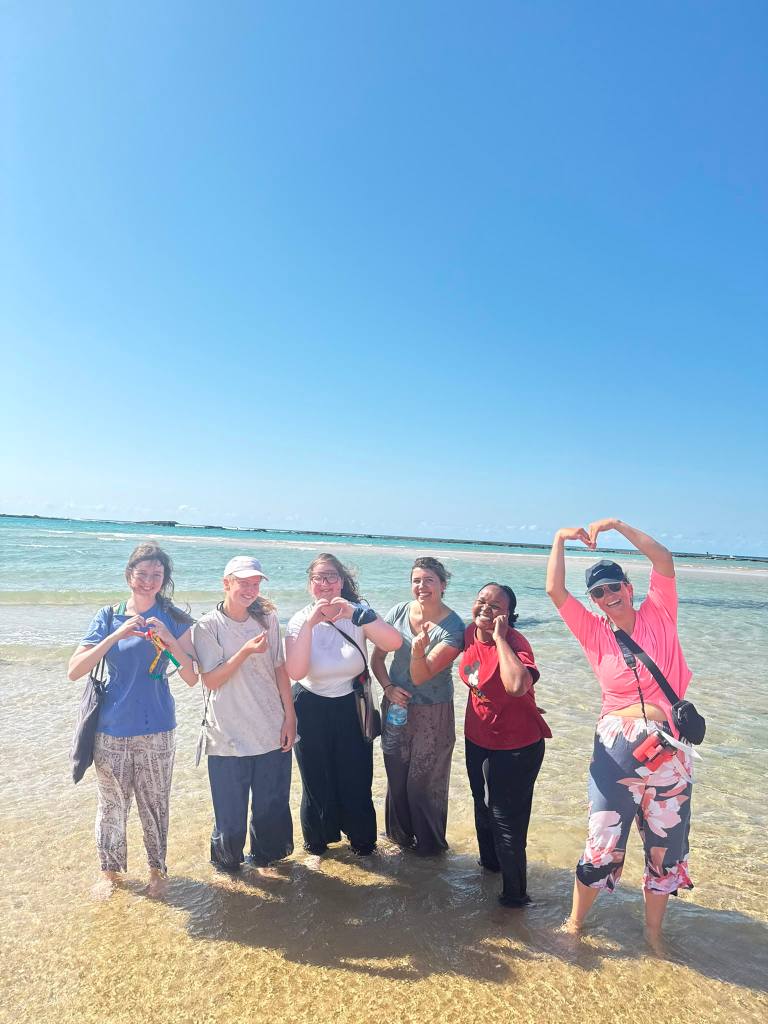
Five weeks can sound like a long time. But when your days are filled with lectures, diving, running after fishermen, identifying fish, climbing sand dunes and staring at the night sky, time starts moving surprisingly quickly. Our first week was all about understanding Jangamo Bay and Love the Oceans’ role in it. We learnt about the ocean, the local community and the relationship between the two.
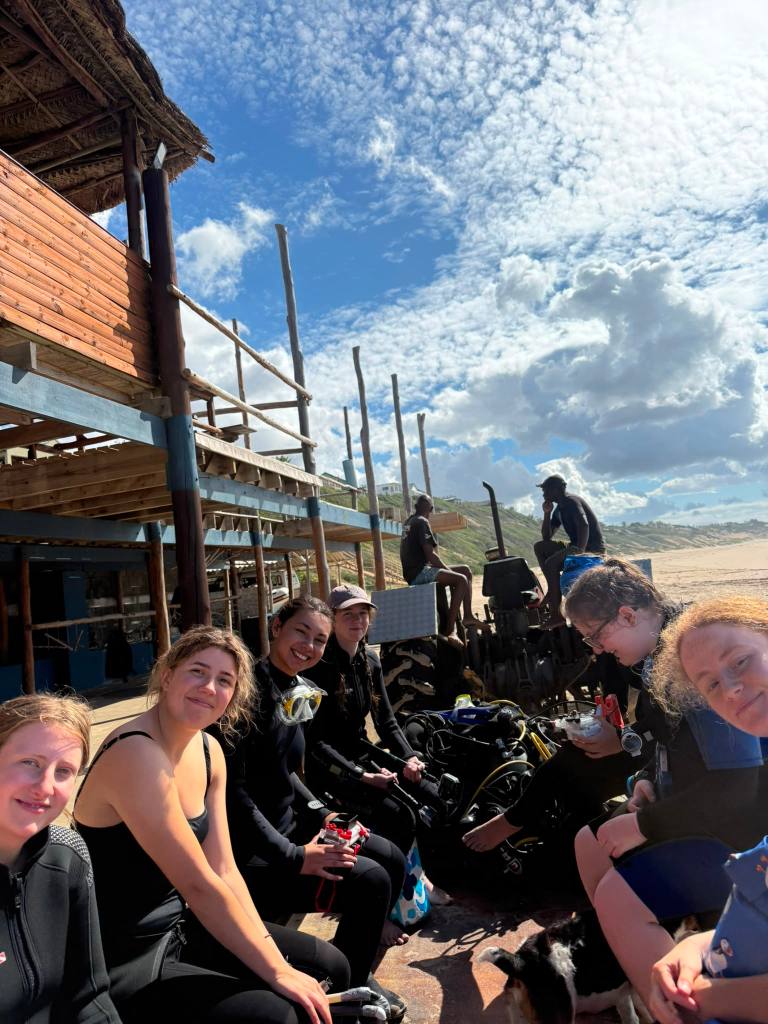
Some days were spent taking part in lectures: learning about Mozambique, local fisheries, humpback whales, ocean trash, community outreach and the different marine research projects we will be contributing to. Other days were spent in the water, learning how scientific data collection actually works while diving. It turns out that laying transect lines, carrying measuring equipment, managing buoyancy and communicating with a team underwater is significantly more complicated than it sounds on land. Our first attempts were not always perfect, but reviewing the data afterwards helped us understand exactly what we need to improve over the coming weeks.
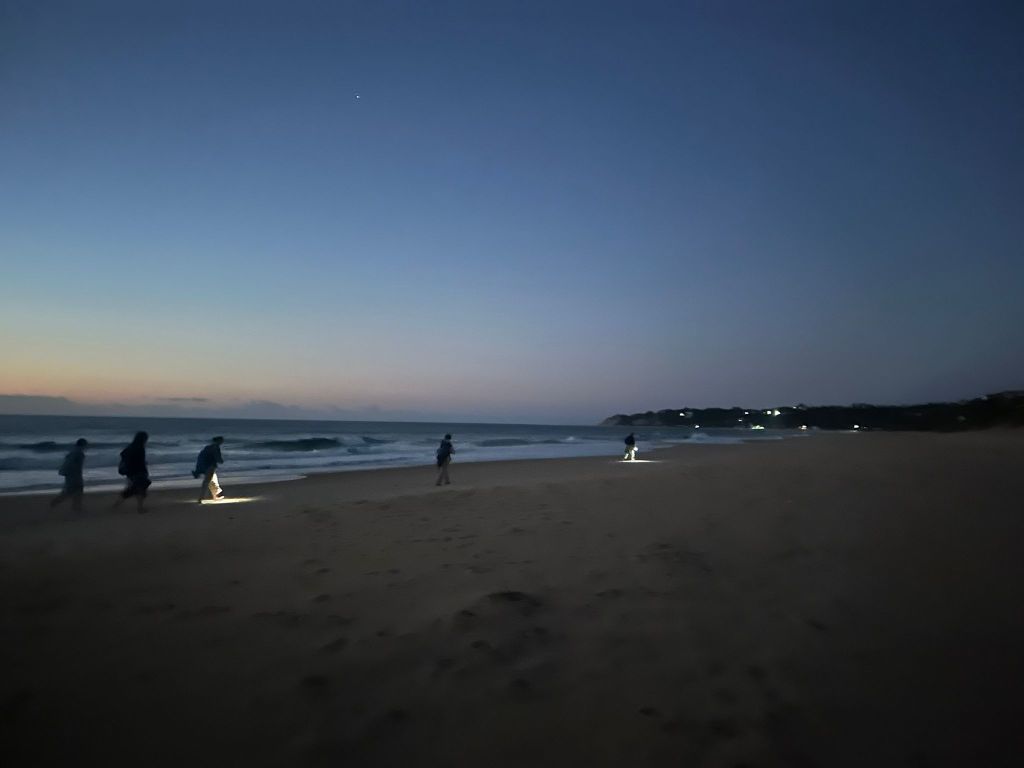
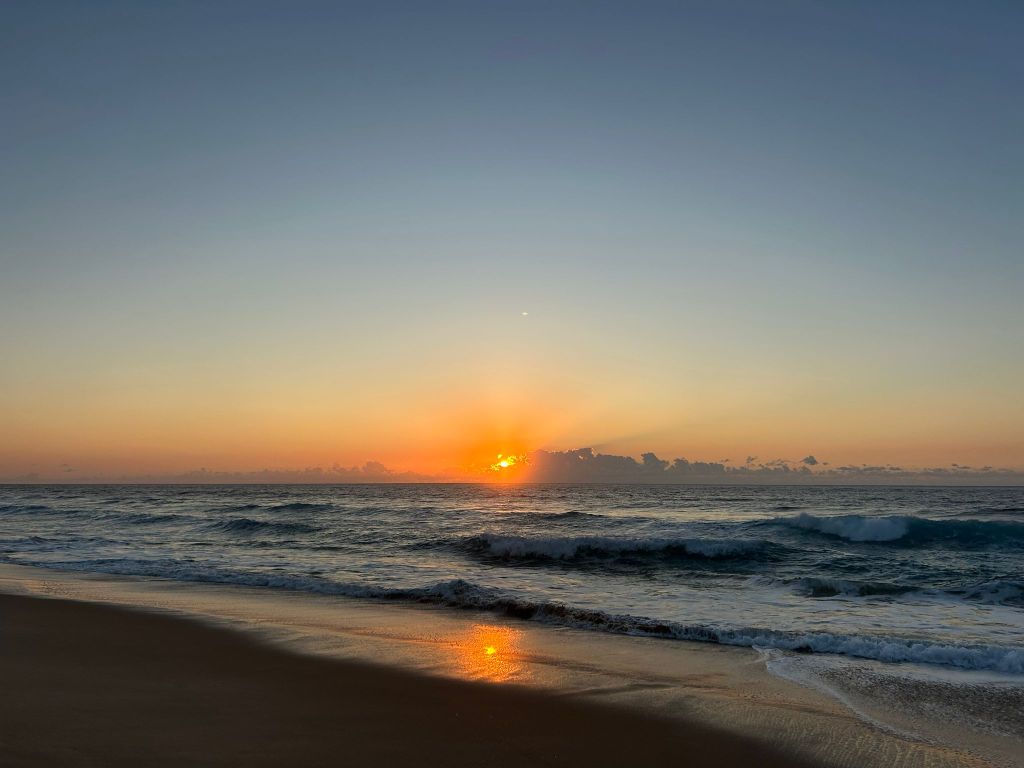
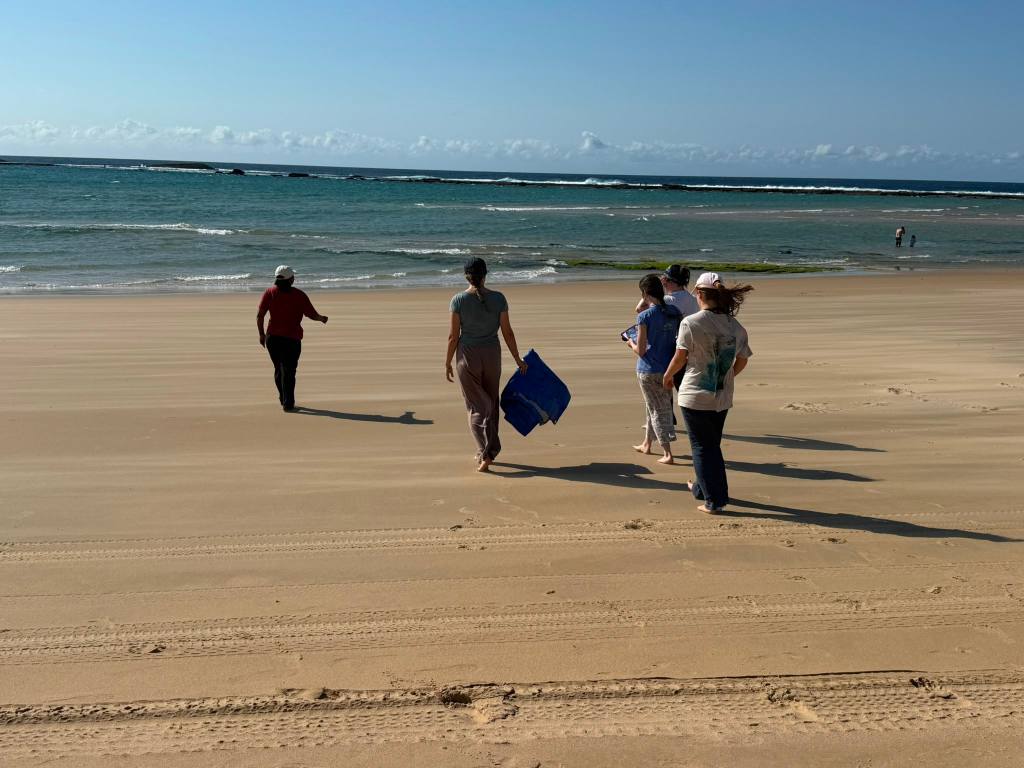
Then came fisheries monitoring. We left before sunrise and walked along the coast to our observation point at the top of a sand dune, a location that seemed beautiful until we realised every survey required running down and climbing all the way back up. We recorded fish catches, ran after fishermen, watched boats arrive one after another and even helped push them up the beach. Between surveys, we spotted humpback whales breaching in the distance and attempted some very questionable group yoga. By the time we got back and had recovered, we began our data logging: identifying and measuring all the fish. It was a time-consuming process, but we all improved our skills and feel more ready to tackle more fishery days now.
The culture tour offered a completely different perspective. We visited two local schools in Guinjata Bay and Paindane and learnt more about the reality of education in the area. The classrooms have no electricity and educational materials are painted directly onto the walls. Before the current infrastructure was built, some classes were held outside on the sand.
Seeing the schools made the impact of Love The Oceans’ work incredibly tangible and highlighted something that has become increasingly clear throughout the week: marine conservation cannot exist separately from the community. Education, livelihoods, fishing and ocean health are deeply connected.
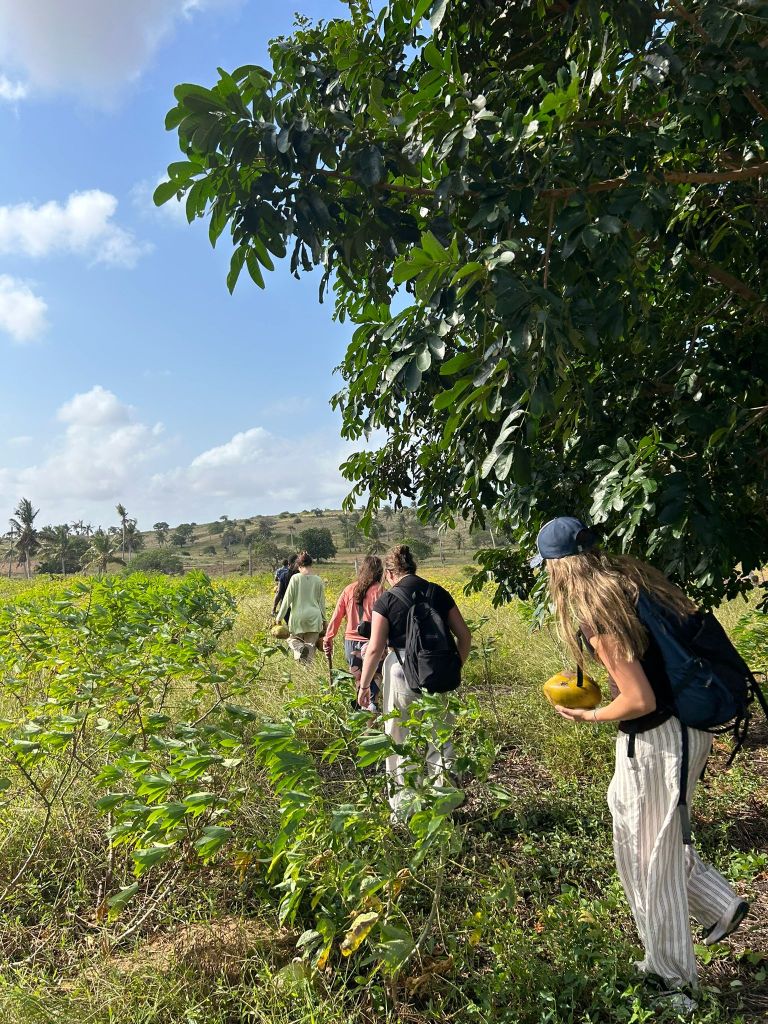
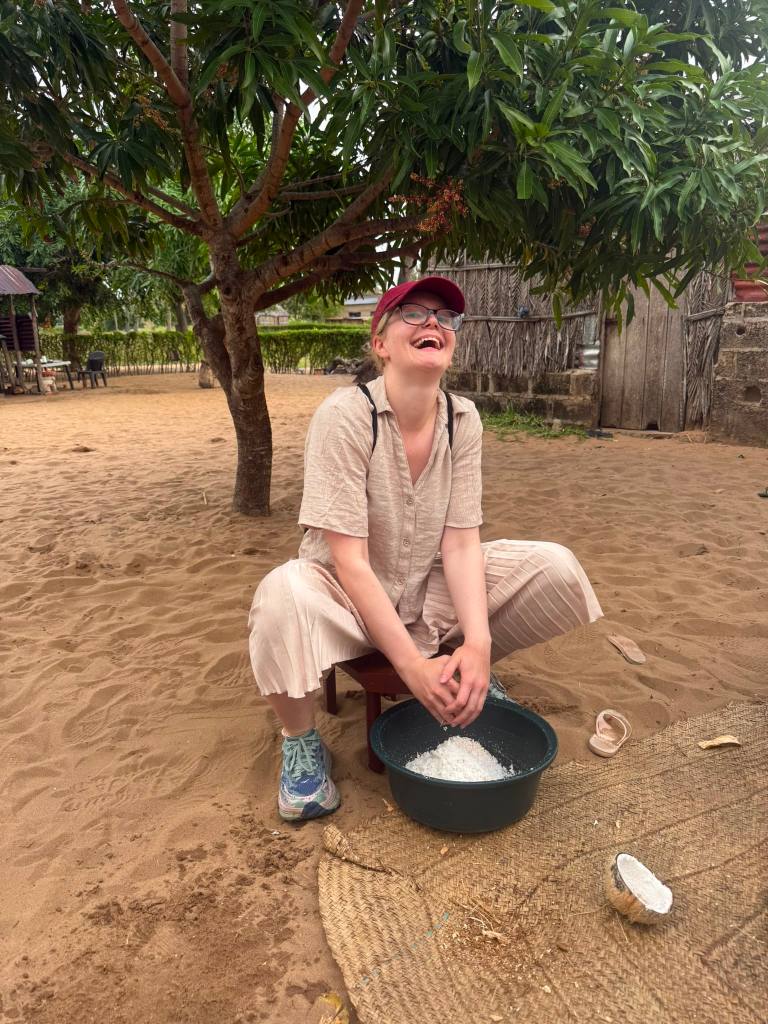
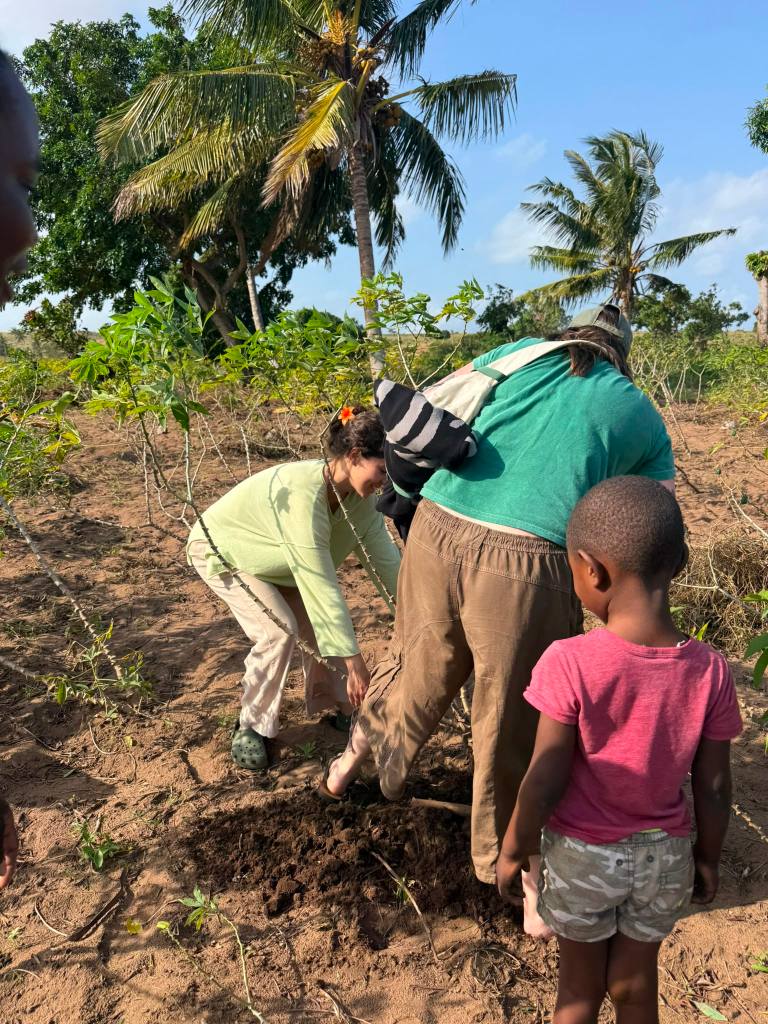
We then spent the afternoon with our Community Outreach Manager Pascoal’s family, collecting coconuts and cassava, making coconut milk, cooking and playing with the children. There was dancing, cartwheels and the kind of games that require almost no shared language to understand.
Looking forward to next week!