No Fins Left Behind Team Blog:
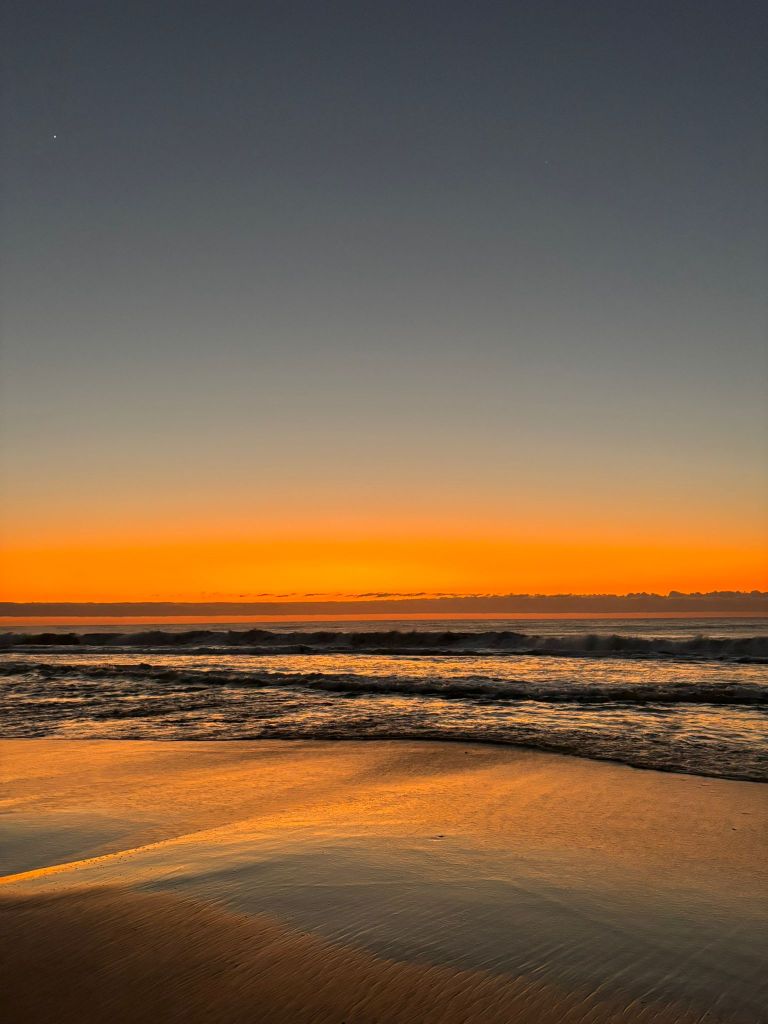
At an early start of 4:30am, our group “No fins left behind” started our second week out in the field as LTO volunteers ! Nothing quite beats the sunrise walk to fisheries, watching the sun emerge, a ball of bright vibrant orange ! This volunteering week started off strong with a 6am-4pm day down at Paindane Bay on Fisheries ! For the first time we witnessed Scalloped Hammerheads being caught, a humble yet educational experience, reminding ourselves of the benefits of collecting this data that would in turn further aid the research towards turning Jangamo Bay into an MPA. A couple of white spotted rabbit fish, Hammerheads and Teleost fish later, we packed up our gear and headed back to base where we continued to log our data from the day 🙂
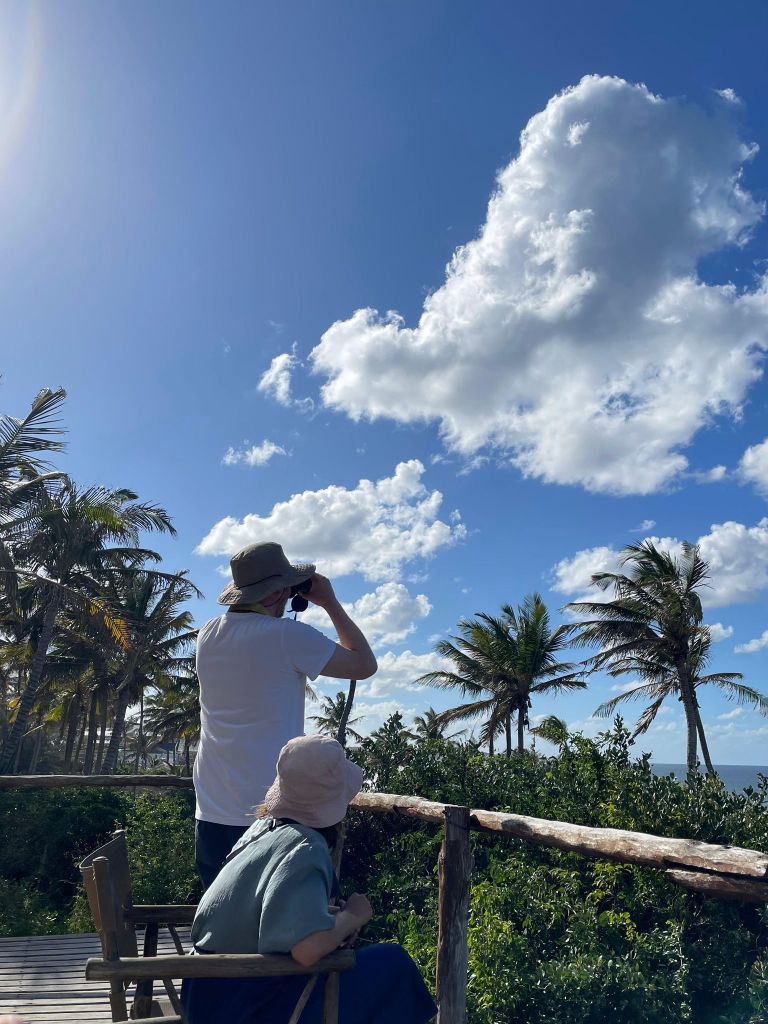
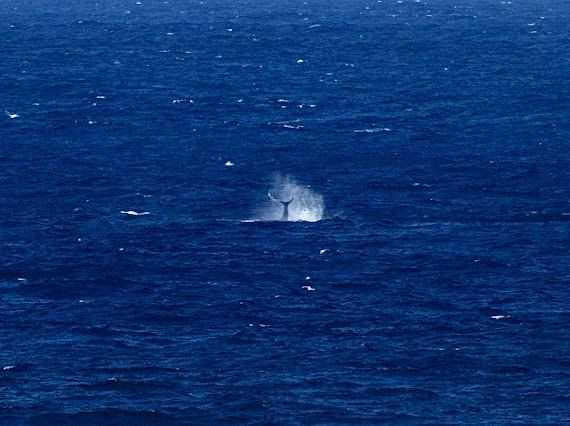
Beach cleaning commenced our Tuesday morning, which was highly successful, with a record of 1,153 bits of ocean trash being collected overall, from macro-plastics to random flip flops !! Our buckets were so full we had to get more ! Once weighed and logged we started cleaning our bottle cap collection, ensuring as much of the sand was brushed, ready to be utilised for the plastic machine ! Chess then introduced their BRUV (Baited Remote Underwater Video system) to us, which at first sounded wildly confusing to put together, deploy and collect, however extremely beneficial in hoping to collect successful elasmobranch and carnivore data across coconut, Paindane and Guinjata bay ! Would be fun to see this equipment being deployed ! Whale watching ended our afternoon, with a mass sighting of whales out in the Bay, we could have sat there all day immersing ourselves in the different behaviours we were witnessing and then logging on our laptops, it truly was beautiful to see !
Wednesday began with a 4:30am start and you know what that means … fisheries! Our team headed to the Guinjata bay fishery site to monitor for fishers, recording any catches to gather data on species, size, and fishing methods. This helps inform future regulations, especially to protect herbivorous fish, which keep coral reefs healthy by eating algae, and sharks and rays, which are increasingly threatened by unsustainable fishing methods.
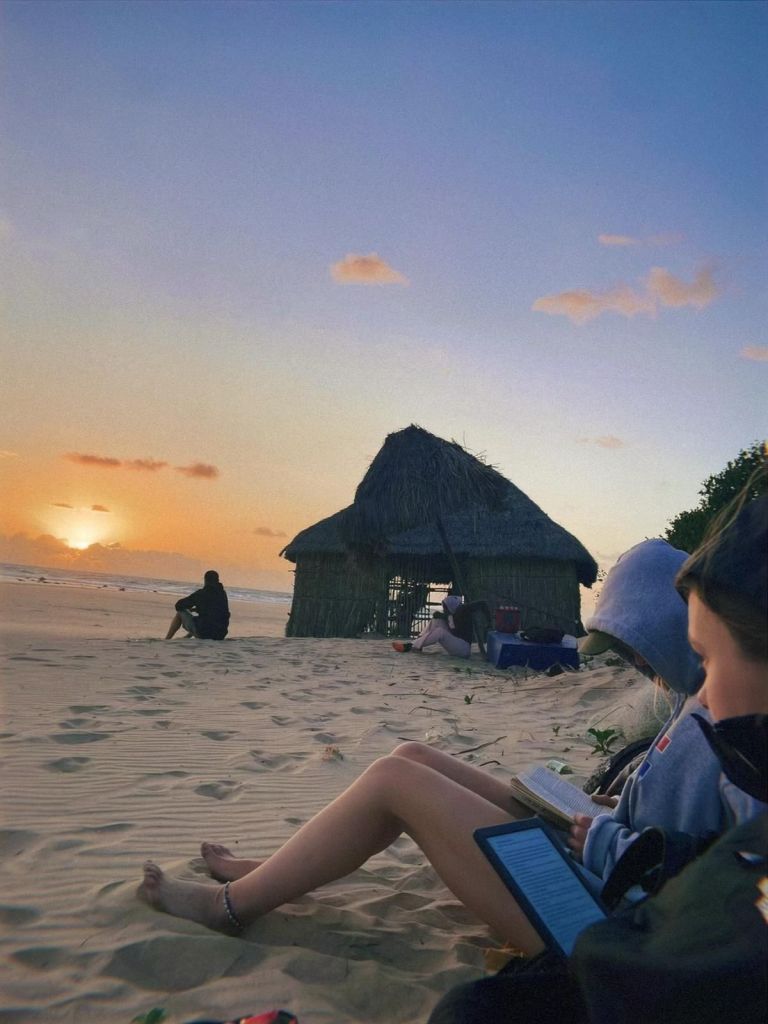
But Wednesday was quiet, no fishers and no catches. While that’s good news for the ocean, it left us with time to kill. We passed the day reading, swimming, watching Emily get scared by a bug, and planning this very blog post!
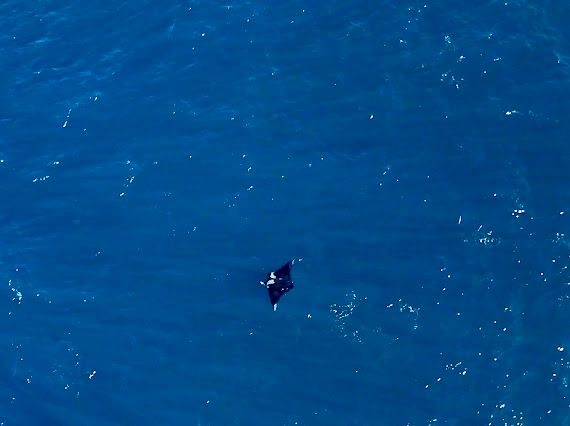
Then came the day’s highlight! While flying the drone in search of humpback whales, Dylan spotted something else, an oceanic manta ray gliding below the surface! These endangered giants can grow up to 7 metres across (that’s taller than a giraffe!) and feed on tiny plankton. But this feeding method also puts them at risk, microplastics can reduce their food intake and affect reproduction. In Guinjata Bay, where plastic pollution is visible daily, it was a stark reminder of how human actions far away can affect even the ocean’s largest, most peaceful creatures.
Though we returned with blank data sheets, we reminded ourselves that no data is still valuable. We ended the day with couve and rice, ready for tomorrow’s hydrophone survey, listening for the songs and calls of humpback whales.
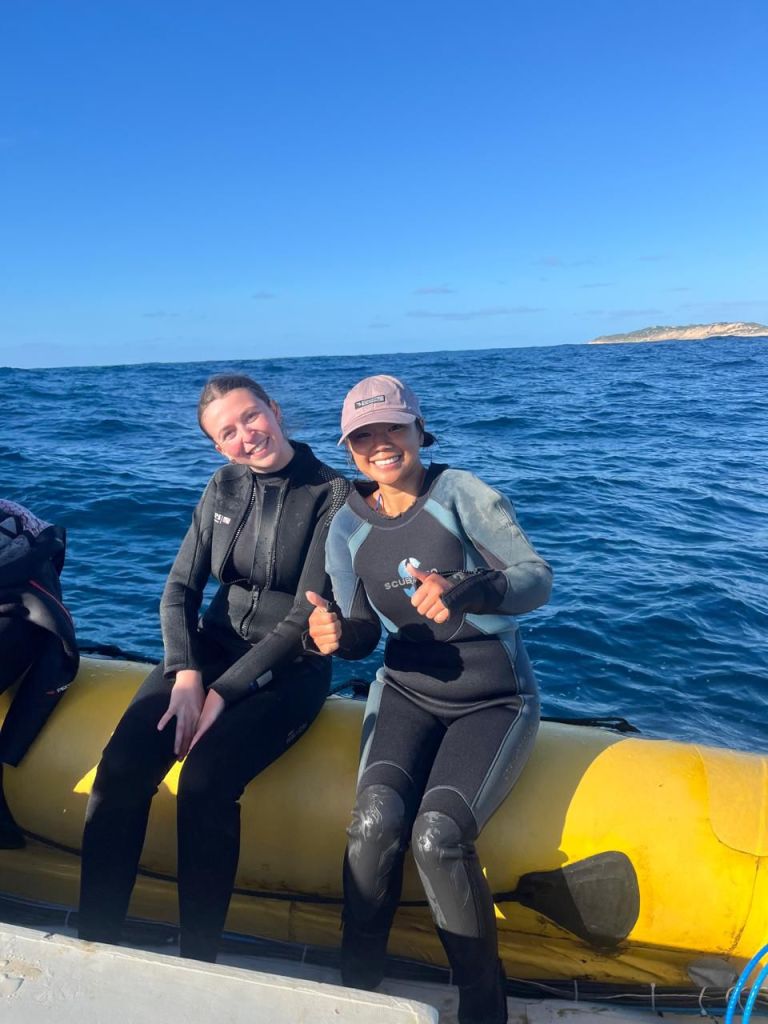
Thursday was a day out on the ocean, filled with encounters and discoveries. For the first time we all recorded the songs of whales with a hydrophone. Hearing them brought genuine smiles to our faces. Not long after, we were lucky enough to spot two whales logging about 100 meters from our boat !
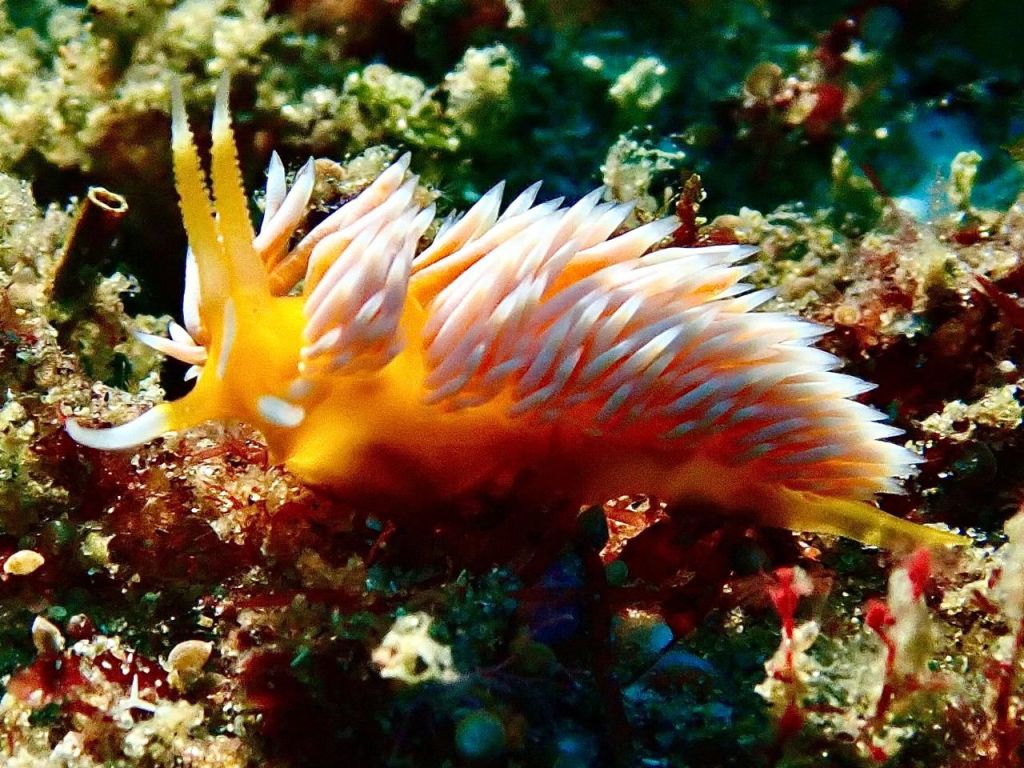
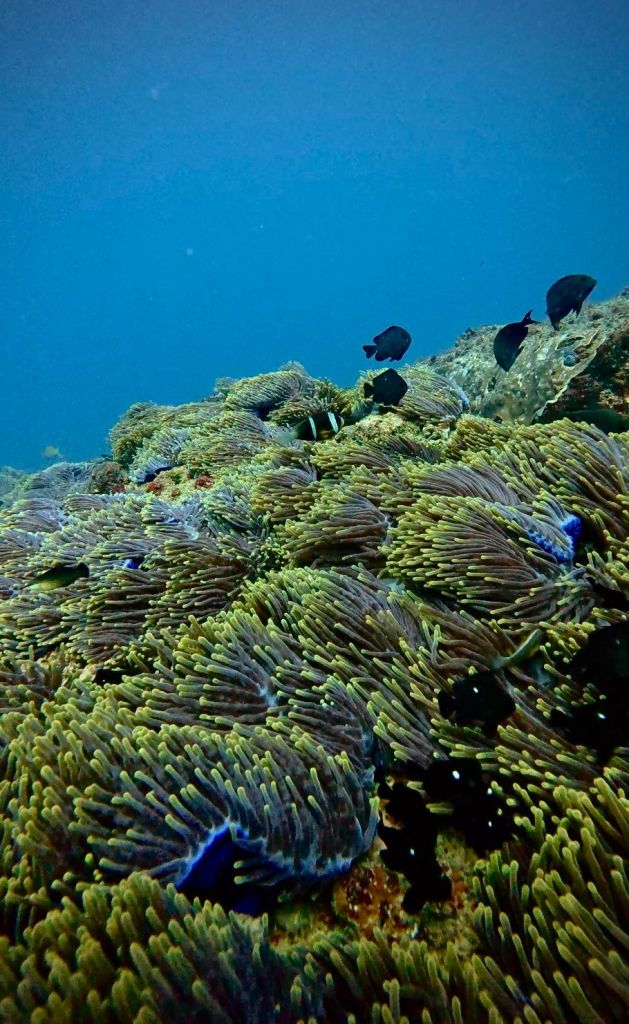
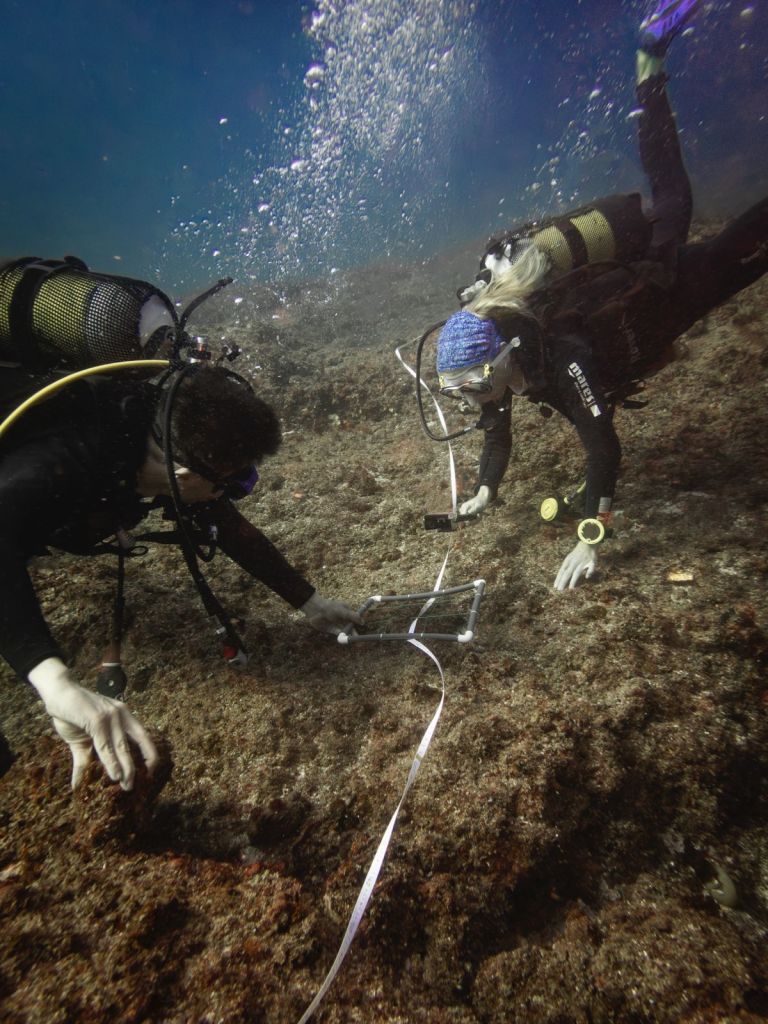
Later, on it was time for under the waves and our first coral transit, which was both exciting and a bit challenging. Afterwards we used the left air spotting nudibranches. By the time we got back to our cottage, we had plenty of data to log, reflect and learn from.
Closing off the week with a big wave (literally), our skipper, Chico, diligently navigated us through a few massive swells to get us to our coral transect site, Pao Rock. With the surge being a bit stronger than ideal, we had successful data collection with sights of soft and hard corals, many nudibranchs, sea stars, lion fish, and even one very camouflaged stone fish. Afterwards we had a nice afternoon collecting data on whale sightings and behaviors on shore, walked back to our lodge, and started logging our data right away 🙂
Shell Yeh Team Blog:
Our week started bright and early with a workshop on drone filming for surveys. We learned how to operate it, before flying it over the ocean in a practice survey, where we were looking for megafauna. After this, we carried out a whale survey from land, monitoring the frequency and behaviours in each of the sightings. It involved lots of excited exclamations at breaches and potential confusion over splashing waves or whale blows. We found out that whales love stormy/ crappy weather! They looked like they had so much fun when the ocean got choppy and windy and their activity was high.
On Tuesday we had an early wake up for a full day at Guinjata fisheries. Due to windy weather this was a quiet day; as a method to pass some time we learned a couple of line dances! But fast forward to Wednesday at Paindane fisheries proved much busier, with two catches providing much to measure and ID. Our morning ‘commute’ to work along the beach was beautiful both days, with red skies and the rising sun rewarding the 4:45am wakeups.
On Thursday we headed to Jay’s dive centre (!) for a morning scientific dive where we collected data from a coral transect before doing a nudibranch survey. The surge was a lot weaker so the transect process was significantly smoother – luckily for Juan, who was frequently hit by Monique during the transect last week! Holly and Lily had a great time filming different cryptic/ non-cryptic animals to ID later that night. After this we conducted a whale survey from land, before heading back to the house to log all of our data.
Our final day of the week included a whale survey from the boat, where we used a hydrophone to listen to humpback whale vocalisations as well as recording behaviours from any sightings. Sadly since the weather was beautiful, the whales just weren’t as active as the other day when it was storming. We then headed back to do a beach clean, picking up plastic and sorting them by size and items … many more bottle caps were collected for the local plastic recycling machine. We concluded our week with a cold plunge in the pool after logging more data and admiring the full moon tonight.